A LIVING HISTORY BLOG.

18TH CENTURY LIVING HISTORY IN AUSTRALIA.
Showing posts with label Jerusalem Artichokes. Show all posts

Tuesday, 3 June 2014

Another Plant Tinder For Fire Making.

As I have said many times before, once you become familiar with what plant tinders look like & feel like, you can start to identify many more. Some such as the beaten inner bark of the Stringybark Tree are not so readily recognised, but still the same thought processes enabled me to see the possibilities.
The inner core of the Sunflower plant again is not so readily identified, just like the inner core of the Yacca Plant, it is hidden from view until the stem is cut open. Here in the images below you can see the soft white pithy core of the Sunflower stem. Treat this as you would punkwood, & char it to prepare it. This stem is still green so you can better see the core, but for tinder use use only the dried stems.
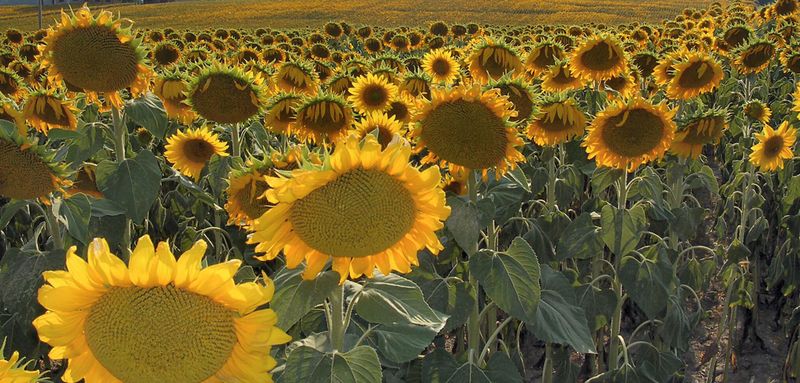
Not a native to Australia, but many of you may grow Sunflowers in your gardens, as we do for chook feed. The Sunflower is believed to have originated and was first domesticated in Mexico. The Sunflower is a member of the Jerusalem Artichoke, which is native to the Great Lakes area in the Americas. The stem pith of the Jerusalem Artichoke can also be used as tinder, but the stems are much smaller and thus yield far less tinder.


This is a dried Sunflower stem cut open.

Another type of Sunflower in our garden with multiple flower heads.


Sunflowers drying in the sun in front of a stand of corn.

Jerusalem Artichokes in our garden. These are also prized as a food source. You will never starve if you are growing Jerusalem Artichokes. The dried stems make excellent kindling.


Thursday, 20 October 2011

More On The Jerusalem Artichoke.

Jerusalem Artichoke.


The misnamed Jerusalem artichoke has no real link with Jerusalem, and isn't related to other artichokes. It looks a bit like a knobbly pink-skinned ginger root and has a sweet, nutty flavour, reminiscent of water chestnuts.
Although not widely used (perhaps because of its awkward appearance or anti-social effects - see NUTRITION), it is an inexpensive and versatile food that can be used both raw and cooked and makes a delicious soup.


HISTORY
Jerusalem artichokes are native to North America. The French explorer Samuel de Champlain brought them to Europe after coming across them at Cape Cod in 1605. He described them as tasting like artichokes, and is likely to be responsible for this part of their name. The Jerusalem part is thought to be derived from girasole, the Italian for sunflower to which they are related. Another theory suggests the name is a corruption of Terneuzen, the Dutch city from where the root was introduced to England in 1616.


BIOLOGY
The Jerusalem artichoke plant (Helianthus tuberosus) is related to the sunflower and produces edible tubers. It is hardy and grows readily in cold climates.


NUTRITION
Jerualem artichokes are very rich in inulin, a carbohydrate linked with good intestinal health due to its prebiotic (bacteria promoting) properties. These health benefits come at a price; the food can have a potent wind-producing effect.
Jerusalem artichokes also contain vitamin C, phosphorus and potassium and are a very good source of iron.


BUYING
Roots should be free from soft spots, wrinkles or sprouting. Knobbles and uneveness are unavoidable (and not indicative of quality), but smoother, rounder artichokes are easier to prepare.


STORING
Jerusalem artichokes will keep for a couple of weeks in the fridge.


PREPARING
Like potatoes, Jerusalem artichoke can be served with or without the skin - scrub clean and leave it on for maximum nutritional benefit.
Cook as you would potatoes - roast, sauté, bake, boil or steam. If peeling or cutting, drop pieces into water with a squeeze of lemon juice to prevent discolouration. Unlike potatoes, Jerusalem artichoke can also be used raw (e.g. in salads) or lightly stir-fried.
http://eattheseasons.co.uk/archive/jerusalem_artichoke.htm

Nutritional Information
100g provides as percentage of recommended daily allowance


18% Iron
17% Potassium
& Calcium, magnesium, selenium, copper and traces of other minerals.
4% Protein
6% Vitamin C
13% Thiamine
6% Niacin
& small amounts of other B vitamins
http://www.selfsufficientish.com/artitchoke.html

Monday, 10 May 2010

Period Survival Food. Jerusalem Artichoke.

It is said that once you have planted Jerusalem Artichokes you will always have them and never starve. I have heard that colonial settlers grew jerusalem artichokes, but they do not get as much mention as the "three sisters".
Our patch of Jerusalem Artichokes before they flowered.

The same patch now after the first frosts. Time for harvesting and drying.


The tubers need to be harvested after the first frosts, but you can leave some in the ground for next years crop. They will not keep for long once dug, so they need to be used, raw or cooked, or you can cut and dry them. You do not have to peel them, providing they are cleaned well, but if you want to peel them you will find it easier after cutting the protrusions off.