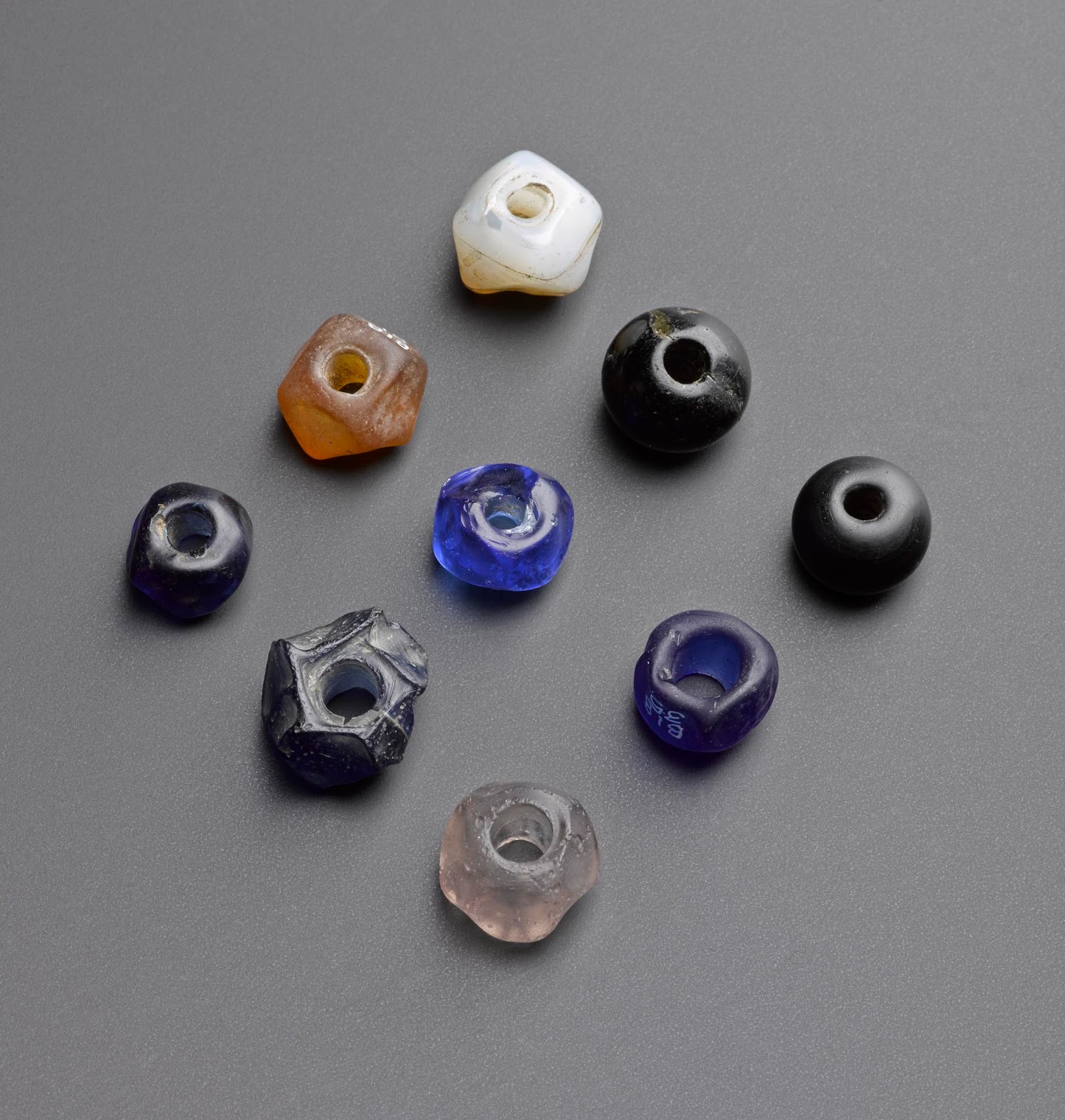
For list of trade goods see PDF here: https://www.bristol.ac.uk/Depts/History/bristolrecordsociety/publications/brs20.pdf
18TH CENTURY LIVING HISTORY, HISTORICAL TREKKING, AND PERIOD WILDERNESS LIVING.
A LIVING HISTORY BLOG.
18TH CENTURY LIVING HISTORY IN AUSTRALIA.
Showing posts with label trade. Show all posts
Monday, 22 October 2018
Tuesday, 24 July 2018
What the 16th-century shipwreck found on the Kent coast can tell us about trade in Tudor England
Tudor warship, part of a manuscript presented to Henry VIII in 1546
by Anthony Anthony. British Library.
http://www.kentonline.co.uk/whitstable/news/video-experts-uncover-rare-shipwreck-186389/
Labels:
16th century,
17th century,
archaeology,
England,
Kent England,
sailing,
ship wreck,
Tall ships,
Tankerton Beach near Whitstable,
trade,
Tudor
Australia
Kent, UK
Saturday, 2 September 2017
Coins Found In New England.
Labels:
18th century,
archaeology,
currency,
living history,
money,
New England,
pirates,
trade
Australia
New England, USA
Tuesday, 14 February 2017
Indian Goods List.
By Frances Back.
My thanks to David Swampfox for this list of goods.
In Public Record Office, C.). 5.61, London, England. Enclosed in a
letter of Amherst to William Pitt, February 27,1761
p.334-335 Sir William Johnson Papers
A list of goods intended for Northern tribes.
A List of Such merchandise as is Usually sold to the Indians — the prices differ with the times —
Deep blue Strowds with a narrow white cord
Plain Blue Strowds
Black Strowds
Scarlet or Aurora Do
Garterings and bindings for strouds of different sorts
French blankets, or twilled lettered white blankets
Purple & white french Rateen for Stockings
English white blanketsof 20-24-&30 to a piece with black or Deep blue stripes
Wals cottons, or Pennistons for stockings
Green Knapt Frize for Do: & also for Blankets
Red, Yellow, Green & blue halfthicks
Flowered serges, lively colours or gay
Calicoes, Claimancoes for gowns &ca
Ribbons of all sorts, especially deep red, yellow, blue & Green
Linnens & ready made Shirts of all Sizes
Light coloured & white threads
Needles sorted
Awl blades for making Indian Shoes
Scalping and Clasp knives
Vermillion and Verdigrease
Jews Harps small & large
Stone & plain rings
Hawks bells different Sizes
Small white Beeds & other coloured Do Small
Horn Combs different sizes
Brass wire different Sizes
Scizars & Razors
Looking Glasses….Different sorts
Brass & tinn Kettles large and Small
Women & Childrens Worsted & yarn hose with clocks
Roll of paper Tobacco. Also Leaf Do
Pipes long & Short
Red Leather Trunks in Nests
Black & white wampum in great demand
Silver works or toys, which the Indians wear of different kinds
Tomahawks or small hatchets well made
Also pipe Hatchets
Tobacco & Snuff boxes
Pewter Spoons
Gilt Gill Cups and half gill Do
Good Gunpowder, large grain
Flints
Small bar lead of 1-1/2 lb each
Goose, Duck & Pidgeon Shot
Light & Good Fowling pieces
Beaver & Fox Traps
Iron Spears or giggs for striking fish with & Beaver with
New England, or York rum in rumlets of Caggs of 12.10.8.9 & 4 Gallns each
p.334-335 Sir William Johnson Papers
A list of goods intended for Northern tribes.
A List of Such merchandise as is Usually sold to the Indians — the prices differ with the times —
Deep blue Strowds with a narrow white cord
Plain Blue Strowds
Black Strowds
Scarlet or Aurora Do
Garterings and bindings for strouds of different sorts
French blankets, or twilled lettered white blankets
Purple & white french Rateen for Stockings
English white blanketsof 20-24-&30 to a piece with black or Deep blue stripes
Wals cottons, or Pennistons for stockings
Green Knapt Frize for Do: & also for Blankets
Red, Yellow, Green & blue halfthicks
Flowered serges, lively colours or gay
Calicoes, Claimancoes for gowns &ca
Ribbons of all sorts, especially deep red, yellow, blue & Green
Linnens & ready made Shirts of all Sizes
Light coloured & white threads
Needles sorted
Awl blades for making Indian Shoes
Scalping and Clasp knives
Vermillion and Verdigrease
Jews Harps small & large
Stone & plain rings
Hawks bells different Sizes
Small white Beeds & other coloured Do Small
Horn Combs different sizes
Brass wire different Sizes
Scizars & Razors
Looking Glasses….Different sorts
Brass & tinn Kettles large and Small
Women & Childrens Worsted & yarn hose with clocks
Roll of paper Tobacco. Also Leaf Do
Pipes long & Short
Red Leather Trunks in Nests
Black & white wampum in great demand
Silver works or toys, which the Indians wear of different kinds
Tomahawks or small hatchets well made
Also pipe Hatchets
Tobacco & Snuff boxes
Pewter Spoons
Gilt Gill Cups and half gill Do
Good Gunpowder, large grain
Flints
Small bar lead of 1-1/2 lb each
Goose, Duck & Pidgeon Shot
Light & Good Fowling pieces
Beaver & Fox Traps
Iron Spears or giggs for striking fish with & Beaver with
New England, or York rum in rumlets of Caggs of 12.10.8.9 & 4 Gallns each
Note the mention of tin kettles large and small. More on this later.
Keith.
Keith.
Labels:
18th century,
colours,
equipment,
goods,
Indian,
items lists,
living history,
materials,
presents,
tools,
trade
Australia
North America
Friday, 10 February 2017
A List Of Goods For Indian Presents. 18th Century.
From a memorial from Benjamin Martyn, agent for Georgia,
to the Board of Trade, Jan. 28, 1755. This is directly from a 1750 list of
goods that was used to suggest what should be purchased with £1500 for Indian
presents to be distributed to the groups bordering the colony of Georgia,
reused by Martyn.
From the Colonial Records of the State of Georgia.
Enclosure A
A list of goods for Indian Presents.
20 pieces striped Duffils, the stripes bright
28 half pieces blew Strouds
14 half pieces red Do.
10 pieces blew plains corded and Wormed for Women
200 Yards of embroider’d Serge the patterns large
2500 lb F. Gunpowder
150 Wilson’s trading Guns
40 Fowling Pieces
12 Saddles with Cruppers and Bridles
8 Do. a better Sort with Housings
2 Gross Stone Rings
12 Doz. Horn Combs
6 Doz. Ivory Do.
4 Gross black and spotted Clasp knives
12 Doz. Razors
12 Doz. pair Scyssors
12 Doz. looking Glasses
12 Nests of red gilt trunks
19 Doz. check Shirts
18 Doz. white Garlics Do
15 pieces of Calicoe 18 yards in Each
50Cnt trading Bells
34 second hand scarlet, red, and blew coats
6 Do. a better sort, and 6 Waistcoats for head men
34 tinsel laced hats
6 tinsel laced hats a better Sort for Head Men
6 Gross Body Cadis in pieces 12 yards each
6 Gross figured and Star Gartering
30 lb Vermilion
14 Gross long Pipes
60 Gross Hunters Do
100 lb. Shag cut tobacco
40 lb. bright brass wire sorted
6 Gross Hawks Bells smallest size
12 Dozen Oval-eyed Hatchets
250 lb brass Kettles sorted
10 Nests tin Kettles 15 in Each
4 Doz. quart tin Pots
4 Doz. pint Do
4 Doz 1/2 Pint Do
4,000 Black flints for trading guns
1,000 Do for Fowling Pieces
28 half pieces blew Strouds
14 half pieces red Do.
10 pieces blew plains corded and Wormed for Women
200 Yards of embroider’d Serge the patterns large
2500 lb F. Gunpowder
150 Wilson’s trading Guns
40 Fowling Pieces
12 Saddles with Cruppers and Bridles
8 Do. a better Sort with Housings
2 Gross Stone Rings
12 Doz. Horn Combs
6 Doz. Ivory Do.
4 Gross black and spotted Clasp knives
12 Doz. Razors
12 Doz. pair Scyssors
12 Doz. looking Glasses
12 Nests of red gilt trunks
19 Doz. check Shirts
18 Doz. white Garlics Do
15 pieces of Calicoe 18 yards in Each
50Cnt trading Bells
34 second hand scarlet, red, and blew coats
6 Do. a better sort, and 6 Waistcoats for head men
34 tinsel laced hats
6 tinsel laced hats a better Sort for Head Men
6 Gross Body Cadis in pieces 12 yards each
6 Gross figured and Star Gartering
30 lb Vermilion
14 Gross long Pipes
60 Gross Hunters Do
100 lb. Shag cut tobacco
40 lb. bright brass wire sorted
6 Gross Hawks Bells smallest size
12 Dozen Oval-eyed Hatchets
250 lb brass Kettles sorted
10 Nests tin Kettles 15 in Each
4 Doz. quart tin Pots
4 Doz. pint Do
4 Doz 1/2 Pint Do
4,000 Black flints for trading guns
1,000 Do for Fowling Pieces
Source: Coleman, K., Ready, M., (1976). The Colonial
records of the state of Georgia. Vol.27, Original papers of Governor John
Reynolds, 1754-1756. Athens: University of Georgia Press. pp. 30-31
Labels:
18th century,
goods,
Indians,
items,
living history,
presents,
trade
Australia
Georgia, USA
Monday, 21 November 2016
Glass Beads Found In Scotland.
Labels:
18th century,
19th century,
amulet,
decoration,
glass beads,
living history,
necklace,
Scotland,
trade,
UK
Australia
Scotland, UK
Saturday, 16 July 2016
Australia artifact find divides Aboriginal clans.
Labels:
Aboriginal,
archaeology,
artifacts,
Australia,
native,
protection,
rights,
site,
trade
Australia
Sydney NSW, Australia
Wednesday, 13 April 2016
Were the African coins found in Australia from a wrecked Arab dhow?
The Arab dhow were between 150
and 250 tons, 85 feet long and 20
feet wide.
Labels:
17th century,
18th century,
900 ad,
Africa,
Arab Dhow,
Australia,
coins,
Historical,
living history,
trade
Australia
Australia
Friday, 18 March 2016
Carrying Salt.
I started researching salt because I have seen a lot of different horn salt containers being made by living historians & being sold by traders. I decided to find out if these were indeed copies of originals. So far I have found no evidence of these types of salt containers ever having existed. I have found two salt horns that are very plain in their design, & nothing like the ones I have seen for sale.
Even so, whether of not these salt horns were wide spread or popular, I can not say. Whether or not they were carried by woodsmen I can not say but I think it doubtful.
The most likely container used for salt in my opinion would be a lawn or linen bag or pouch. I will include many reference links below this article. There is very little information to find, which is really surprising seeing as salt was a valuable commodity. Salt that was mined was brought to the surface in leather sacks. Salt that was obtained from salt licks were I believe carried in leather sacks on horses. Salt was transported from salt works in linen bags sewn by bag stitchers & packed into wooden casks.
What salt was sold in retail I can't say at this writing, but certainly there are enough salt bags that have survived from the 19th century to suggest that this was also the method used in the 18th century. Linen bags have been used for containing many different items through the 17th & 18th centuries, so it is not unreasonable to assume that they were used to contain salt also.
This is the sort of salt containers being sold by some traders, there are also some double ones for salt & pepper.
https://www.liveauctioneers.com/item/17576886_antique-salt-horn;
Certainly neither of these can be mistaken for a powder horn of the type normally carried on a strap.
http://www.worthpoint.com/worthopedia/antique-18
This is a typical salt box. These boxes were normally kept near the kitchen fire & the cook would take what salt she/he needed from this box.
Antique Salt Box, Georgian Oak (Welsh, circa 1760 to 1800)
This is a lot of old cotton muslin fabric feed sacks, small sugar and salt sacks, early to mid century vintage. There are about 20 whole sacks of various sizes (some opened flat, some still sewn up as bags). These are all a light, fine fabric, much lighter than 'regular' print cotton feed sacking fabric.
Salt.
A number of young women dressed in "showy
prints" and with their hair tied up in "variegated kerchiefs,"
scooped the salt up into small cotton bags and sewed them up with
"astonishing speed." The bags were then packed in barrels and shipped
to market.[8]
Baskets were used exclusively for salt and cheese.
“Basket salt” was such a common phrase that it obviously represented a type of
salt; occasionally the phrase was reversed to “salt in baskets,” indicating
that it was indeed sold in baskets: “Basket Salt is made by boiling away the
Water of Salt Springs over the Fire . . . As to the various Kinds of common
Salt, the Basket Salt is the mildest and weakest of all; the Sea Salt is of a
middle Nature, and the Bay Salt is roughest of all” (Bradley [ 1770]: 120).
A bag stitcher: In the Cheshire salt industry, usually
women, who closed the tops of filled bags of coarse salt ready for transport.
The lanes were travelled by pack horses. Galloways, hardy
pack horses travelling in gangs of 12 to 14 horses, were each equipped with a
broad webbing belt with great panniers strapped on either side. They each
carried a load of up to 130lbs, walking in single file because of the
restricted space, with the 'bell horse' at their head. The 'bell horse' wore a
collar to which seven bells were attached serving the purpose of giving fair
warning to gangs approaching from the opposite direction so that sufficiently
wide places could be selected to allow passage.
"At this time my farm gave me and my whole family a
good living on the produce of it, and left me one year with another one hundred
and fifty silver dollars, for I never spent more than ten dollars a year which
was for salt, nails, and the like. Nothing to eat, drink or wear was bought, as
my farm provided all."
where, in the eighteenth century, casks of brandy and
bags of salt sat waiting for the distributors to come and spirit them
away.
laden with about 300 Ankers of Spirituous Liquors, 50
bags of Salt &c. taken 11th April 1805 by his Majesty’s hired armed Ship
Humber
When it was completely dry the salt was packed into
smaller bags for sale.
It is first cut into thin slices and salted down in the
skin. We always carried a bag of salt with us for that purpose.
Pioneer life or 30 years a hunter. By Philip Tome.
Salt was gray (from salt marshes around France) or white
(largely from the seaside in Normandy). Sea-salt was made into loaves, twelve
of which were tied together in a wicker holder called abenate. Probably as used
it would have been fairly coarse, grated from the loaf by the buyer or seller.
Some grocers who sold salt (among other things) were known asregrattiers, a
word which suggests “re-grating”, so they may have done the grating for the
customer. Salt was also sold by the bushel and fractions of a bushel.
Lawton Saltworks is credited with the introduction
of hessian bags for shipping salt in place of the old wicker baskets then still
in use at Middlewich. Edward Salmon became proprietor of the saltworks through
his wife, the last member of the Lowndes family who had made salt there since
the 17th century.
LAWN-BAG: bag made of linen. (Sir Kenelm Digby, 1669)
References:
PDF on food prices.
Cape Fear Museum artifacts mid 19th century.
From William Brownrigg's book on common salt 1748.
Artist's impression of the 18th century salt pans by Cathy Dagg.
If anyone has any more information on salt horns or other salt containers other than salt cellars, I would very much appreciate you contacting me.
Thank you.
Regards, Keith.
Regards, Keith.
Labels:
17th century,
18th century,
bag stitchers,
casks,
historical trekking,
lawn bags,
linen bags,
living history,
salt bags,
salt containers,
salt horns,
Salt Lake,
salt pans,
salt sacks,
Salters,
trade
Australia
Australia
Sunday, 26 July 2015
“THE STRONGEST MAN CARRIES THE DAY,” LIFE IN NEW PROVIDENCE, 1716-1717

Excerpt from image of Capt. George Lowther and his Company at Port Mayo in the Gulf of Matique, 1734, showing pirates in a makeshift tent.
COLONIES, SHIPS, AND PIRATES.
http://csphistorical.com/2015/07/26/the-strongest-man-carries-the-day-life-in-new-providence-1716-1717/
Labels:
18th century,
food rum,
living history,
pirates,
seamen,
shelter,
Tall ships,
trade
Australia
Nassau, The Bahamas
Saturday, 28 February 2015
Tomahawks PDF for Download.
Labels:
17th century,
18th century,
axes,
colonial,
historical trekking,
living history,
PDF,
period tools,
pipe tomahawks,
tomahawks,
trade,
trade axes
Australia
North America
Wednesday, 28 January 2015
Sunday, 2 November 2014
More On Blankets.
American Checked Blanket c. “1600 - 1800” (Metropolitan Museum of Art)
“Point” Blanket reported to be carried by Private Henry Marble of Massachusetts during the Revolution. White Wool, 2 3/4” Indigo Blue Stripes and Points(Museum of the Fur Trade)
Fragment of Striped Du
el, A Tracking Cloth of English Manufacture, Found at Burr’s Hill, Warren, Rhode Island, a 17th Century Wampanoug Indian Burial Site(And Site where the 18th Century Material Culture Resource Center used to play Little League Baseball) (Haenreer Museum of Anthropology)
English Manufacture (For the American Market) Rose Blanket c. 1750 - 1830
Details
Height 29.0cm, width 23.5cm
Printed by Smith, W. and Philips, J. and N. Ltd
Made for Smith, W. and Co. Ltd
Early / Mid Wool Center Seam Solid Color Blanket 18th to 19th Century (Private Collection)
Wool Center Seam Solid Color Blanket 18th to Early / Mid 19th Century (Private Collection)
“June 24th, 1757...Col. Stephen is highly blameable to
take any of the Regimental supplies for the Indians... If any of the Dutch Blankets rem’n, and not
wanted for the Indians, I’ve no objection to their being replaced in the room
of those made use of.”
in 1716 “Indian Peggy” appeared before the Commissioner of Trade
with a “French man” purchased by her brother and given to her. The man had come
dearly, costing her brother “a gun, a white Duffield match coat, two broadcloth
match coats, a cutlass and some powder and paint”. Peggy was willing to
exchange her hostage for the gun, and “the value of the rest of the goods might
be paid her in strouds‘
Witnedown was at one
time the trademark of Smith and Philips Ltd blanket makers of Witney. Whipped
blankets were ones which had a strip of silky material sewn over their edges,
bound blankets were finished with a row of blanket stitching, whipped blankets
were the cheaper of the two.
Wars and natural
disasters have always created sudden demands for large quantities of blankets
and Witney manufacturers received many Government orders over the years. The
Seven Years' War (1756-1763), the American War of Independence, the Napoleonic
Wars and two World Wars all brought blanket booms to the town, although some
were very short lived. Cabin blankets for use at sea were first made in the
early 18th century [3]. Many of these blankets would not have been of the best
quality and were plain unbleached or dyed grey or olive.
Witney
did not really specialize in or become famous for blankets until the early 17th
century. Before this time its main trade was undyed broadcloth (in common with
many other weaving industries in the country at that time). This was a kind of
coarse, heavy woollen cloth made from fell wool and although it was commonly
known as 'blanketing' many other things apart from blankets were made from it.
It had warmth, weight and water repellent qualities that made it very useful
for clothing such as coats and petticoats. In 1716 John Gay referred to this in
his poem 'Trivia':
True
Witney Broad-cloth with its Shag unshorn,
Unpierc'd is in the lashing Tempest worn
Links:
Labels:
17th century,
18th century,
america,
blankets,
colour,
design,
England,
English,
Historical,
historical trekking,
history,
living history,
New World,
trade,
Witney
Australia
Witney, Witney, Oxfordshire, UK
Sunday, 10 August 2014
Chinese Coin Found On Elcho Island. A Link.
Many years since I was on Elcho Island, interesting news.
Keith.
Labels:
18th century,
Aboriginal,
Arnham Land,
Australia,
Chinese,
coin,
Elcho Island,
Historical,
historical trekking,
history,
living history,
native,
trade
Friday, 27 December 2013
Australian Aboriginal's Gorgets. PLEASE NOTE: Aboriginal People's names are mentioned here.
PLEASE NOTE: Aboriginal People's names are mentioned here.
Labels:
18th century,
19th century,
Aboriginals,
Australia,
body armour,
gifts,
gorgets,
historical trekking,
Kings,
living history,
native,
trade
Australia
Australia
Saturday, 12 October 2013
British Colonial Trade Regulations, 1651-1764
British Colonial Trade Regulations, 1651-1764 Boston Harbor in the 18th century Act/Regulation Date Significance/Features Navigation Act 1651 Required all crews to be at least 1/2 English in nationality Most goods must be carried on English or colonial ships Goal: eliminate Dutch competition from colonial trading routes Navigation Act 1660 Required all colonial trade to be on English ships Master and 3/4 of crew must be English Long list of "enumerated goods" developed, including tobacco, sugar, rice, that could only be shipped to England or an English colony Staple Act 1663 Required goods bound for the colonies shipped from Africa, Asia, or Europe to first be landed in England before shipping to America. Plantation Duty Act 1673 Required colonial ship captains to guarantee that they would deliver enumerated goods to England or suffer financial penalties. Colonial arm of English customs offices established Navigation Act 1696 Further tightened earlier Navigation Acts Created system of admiralty courts to enforce trade regulations and punish smugglers Customs officials given power to issue writs of assistance to board ships and search for smuggled goods Woolens Act 1699 To prevent competition with English producers, prohibited colonial export of woolen cloth. Hat Act 1732 Prohibited export of colonial-produced hats. Molasses Act 1733 All non-English imported molasses taxed heavily to encourage importation of British West Indian molasses. American Revenue Act (Sugar Act) 1764 Lord Grenville institutes new policies to generate revenue by combining new duties on imported goods with strict collectiion provisions. Tax on French West Indies molasses was actually lowered, but enforcement attempted to end bribes and smuggling. Based on American Journey by Goldfied, et al., in addition to other sources. Please cite this source when appropriate: Feldmeth, Greg D. "Early British Colonial Trade Regulations," U.S. History Resources http://home.earthlink.net/~gfeldmeth/USHistory.html (Revised 24 June 2004).
Labels:
17th century,
18th century,
colonial,
fur trade,
living history,
trade,
trade goods
Australia
England, UK
Thursday, 16 May 2013
East of India – Forgotten trade with Australia. A Link.
Labels:
Australia,
India,
living history,
trade
Australia
Armidale NSW 2350, Australia
Monday, 10 December 2012
Monday, 26 November 2012
Wednesday, 24 October 2012
Baynton, Wharton, and Morgan invoiced Fort Pitt
In
June 1766 the eastern trading firm of Baynton, Wharton, and Morgan invoiced Fort Pitt for a
diverse inventory that included claret, rum,
blankets, tobacco, gun flints, paint, wampum, hatchets, brass kettles,
bar
lead, thread, vermilion, lace, gun powder, bullet molds, hunting
saddles, tin
cups, jews harps, combs, knives, awls, muskets, bed lacing, shears,
ribbon,
pipes, looking glass, razors, silver jewelry, needles, and articles of
clothing
including ruffled shirts, plain shirts, calico shirts, leggings,
matchcoats,
gartering, and breechclouts.
The following year, the Indian
department commissary at the post reported
that over 26,000 pounds sterling worth of merchandise, including 6,500
gallons
of rum, had passed through the
fort. He also noted that over 13,000 gallons of rum
had been distributed by
unlicensed traders and that other sutlers had exchanged
up to 40,000 pounds sterling worth
of goods. In return, Fort Pitt had taken in 10,587 pounds (weight) of
beaver pelts, 15,253 pounds of raccoon skins, 178,613 pounds of "Fall
Skins," 104,016 pounds of "Summer Skins," and smaller
amounts of pelts
from otters, fishers, wolves, panthers, elk, and bear.
9
7. Boissevain, Friends of Friends, 147-69.
8. T. H. Breen,
"An Empire of Goods: The Anglicization of Colonial America, 1690-1776,"
Journal of
British Studies, 25 (October, 1986), 467-99; James H. Merrell,
"'Our Bond of
Peace':
Patterns of Intercultural Exchange on the Carolina Piedmont, 1650-1750,"
in Peter
Wood, Gregory
Waselkov, and Thomas Hatley, eds., Powhatan's Mantel: Indians in the
Colonial
Southeast (Lincoln, 1989), 198-222. For a general study, see
Carolyn Gilman, Where
Two Worlds
Meet: The Great Lakes Fur Trade (St. Paul, 1982).
9. "The
Crown to Baynton, Wharton, and Morgan For sundry goods delivered at different
Times, by order
of Capt. Murray and Mr. Alexander McKee assistant agent for Indian Affairs,
for the use of
the Indians, June 12, 1766," James Sullivan, Alexander Flick, Milton W.
Hamilton, et.
al., eds., The Papers of Sir William Johnson, 14 vols. (Albany,
1921-1965), 5:
http://publications.ohiohistory.org/ohstemplate.cfm?action=detail&Page=010577.html&StartPage=72&EndPage=91&volume=105&newtitle=Volume%20105%20Page%2072
Subscribe to:
Posts (Atom)


.jpg)
2.jpg)