A LIVING HISTORY BLOG.

18TH CENTURY LIVING HISTORY IN AUSTRALIA.
Showing posts with label medical kit. Show all posts

Wednesday, 12 December 2012

Lavender For The Medical Bag.

  In London lavender was sold mostly by gypsies.
In the 16th century France, lavender was used as a protection from infections.
In the 16th century after King Henry the 8th got rid of the monasteries, lavender became a popular plant grown at the manor houses. Ladies of the manors made their own scented waters, beeswax furniture polish, gifts and scented bags. Lavender was associated with cleanliness.
The history of lavender in the 17th century was lavender as a cure all. They used it for headaches, nerves, insect bites, mad dogs and snake bites.
During the Great Plague in London in the 17th century, a bunch of lavender was tied to each wrist to protect against infection. The grave robbers used to wash in Four Thieves Vinegar, which contained lavender. They rarely become infected. Another source says the four thieves went into the homes of the plague victims. They said they oiled themselves with a a mixture of equal amounts of lavender, absinthe, rue, sage, mint and rosemary mixed in vinegar.

Lavender had the reputation of being a miracle plant during the 19th century. It was the most important remedy in the first aid kits for anyone in the provence.It was used for everything from dizziness, nerves, stomach problems, poor vision, infections, convulsions, viper's bites, swooning fits, and palsy.
In the First World War lavender was used as a antiseptic.
They would have dogs sleep on a bed with lavender to rid it of fleas. I would think that this worked for the people as well.
Lavender was important to the shepherds in the fields. It was used to disinfect wounds, sores and even the umbilical cords of lambs.
To get rid of head lice, lavender oil was applied to the scalp for 20 minutes before rinsing.
Lavender was used for insect bites, burns and to accelerate healing.Lavender oil was rubbed on the chest for colds and bronchitis at night. Sometimes it was mixed with thyme and inhaled. Both lavender and thyme is known today to be good against bacteria.
The elderly used to mix it with a carrier oil and rub it on painful joints.
To cure headaches, litle bags of lavender was worn around the neck. A nobleman had a red silk bag, and a commoner used a muslin bag. This was also to ward off diseases.
Lavender oil and burn treatment have a long history. A French chemist Rene Maurice Gattefosse in the early 1900 was working in his lab and burned his hand severely. He then stuck his hand in a nearby container of lavender oil. He discovered his hand not only stopped hurting, it healed faster and didn't scar.
Science is now looking at lavender in cancer treatments. Studies have shown it to reduce the size of breast cancer in mice.
More information here: http://www.joys-of-lavender.com/history-of-lavender.html

My thanks to Don Gagnon for bringing this subject to my attention.
Images By Keith H. Burgess (copyright)

Friday, 24 February 2012

18th Century Medical Kit.

I think I have covered medical kits here recently, but Paolo's article on our group's forum raised some information which I had not thought to include before.
http://eighteenthcenturylivinghistory.freeforums.org/safe-water-t396.html

I always recommend that you carry the best first aid you can get. I myself only carry minimal medical equipment for short weekend treks, but for longer treks I take modern first aid supplies.

My medical kit with bandages, an eye wash glass bottle, botlle of salt, bottle of iodine, scissors, tweezers, and some herbs wrapped in paper.

An 18th century bottle.

Another 18th century bottle close to the one I use. They do come in a variety of shapes and sizes.

Three 17th century medical bottles.

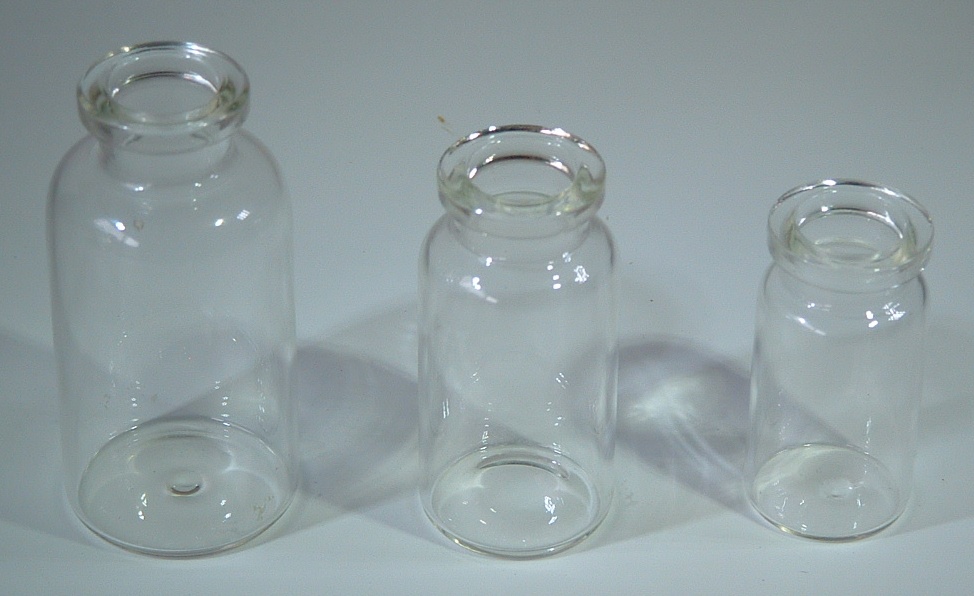
Three modern bottles gleaned from the local hospital. Certainly representative enough to pass as period.

18th century surgical kit.

18th century medicine chest.

Close up of the chest above.

The cloth bags I use for straining water when trekking and I need to top up my canteen. If it is raining, I catch water in my kettle, but if not raining then I must collect water from available water holes.

The larger one strains the larger debris and slime from the water first. I simply scoop the water out with the bag and let the water run through the bag and into my kettle. If it is clean enough, then I boil the water and it is ready for use. If not clean enough, then I strain it again through the double bag or one bag inside the other that you see here.

Thursday, 5 January 2012

Woods Lore. About Australian Snakes.

I was out picking Lemon Balm this afternoon and came across an Eastern Brown snake. Fortunately he went away from me, as I have found most snakes will when they can. The majority of people that get bitten do so when trying to catch or kill a snake, or because they trod on one. We used to get a lot of King Brown snakes in our house in the Territory, even found one in our child's cot when I went to lay him down one day!
NEVER step over a log or downed tree if you can't see what is on the other side. Mostly you won't be able to see the other side close to the tree. Go around the tree/log or step up on the log/tree and stop & look before your next step.
Mostly we get Eastern Brown snakes and Red Bellied Black snakes around here, but we did have a Tiger Snake kill one of our dogs some years ago. Mostly a snake will move away from you if it senses you are near, but if you are hunting or stalking and walking quietly, then you may get closer to a snake than you want to!
Learn to identify the snakes common to your area. Learn first aid. Always carry bandages when in the bush. Look where you are walking and sitting.

This video below is the best one I have come across so far.


My Historical Trekking Medical Kit.

I had two requests yesterday to make a video about my medical kit. At first I thought it was not worth my while, and said so. But on further reflection I decided that perhaps I should. It is not the first time I have made the mistake of taking something for granted. So I made part 1 and 2 yesterday, and took some stills at the same time.
There is not much to my medical kit, and if I were going on a long trip I would add some items. But what I have suits me for the present. Bandages are for me the most important items. Originally I made my own, but these days I use modern bandages. You need bandages for breaks, cuts and snake bite.
Modern medical advice re snake bite sais you DON"T wash the area, and you DON"T suck on the wound! You simply bind the limb firmly over the bite area and work your way down the limb to the ankle or wrist, then bandage upward again, over the bite area to the top part of the limb. What you do next may depend on your situation. Best advice is don't move, stay where you are and rest. Low venom snake bite has been survived, high venom bites act very fast.
Some snake bites do not inject venom, and simply give you a warning strike. If you are on foot you will probably not get far if you try to walk out, but in the end the decision is yours depending on the situation and how you feel.
If you can get to a hospital, they can take a sample of the venom from the wound or bandage to identify the type of snake. If you can definately identify it all the better.
My advice is to stay away from snakes and they will mostly stay away from you.
The other item I rarely see in first aid kits these days is an eye wash glass. If you get something in your eye it can be very debilitating. Below are the few items I carry in my knapsack.

My leather drawstring medical pouch. Always important to disguise any modern equipment that you need to carry with you.

 Nail scissors and tweezers. If I need larger tweezers I can use my round ball mould. The needles in my sewing kit are also used to remove splinters.
Salt. Handy for cuts and removing leeches.

Iodine. Note how the cork is secured with a leather tie.

I substitute this chemist bottle for an eye wash glass.

I would like to make it quite clear here that I will not compromise my health and safety for the sake of authenticity. Hence the modern bandages I carry and the suture needle and thread. I also recommend that anyone who participates in historical trekking attends a first aid course. Enquire at your local hospital.